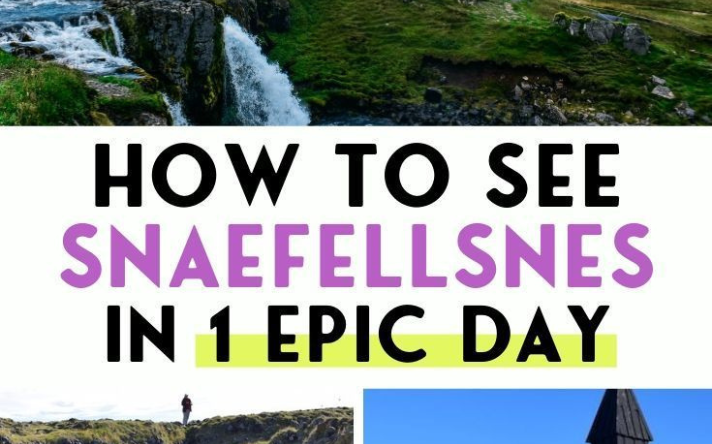
Snaefellsnes Peninsula, Iceland for First-Timers: A Complete Travel Guide
Snaefellsnes Peninsula, Iceland, is the best guide for first-timers, making the trip easy and comfortable for travelers. To stay for one day or overnight, start in Reykjavik, the most beautiful city in the world.
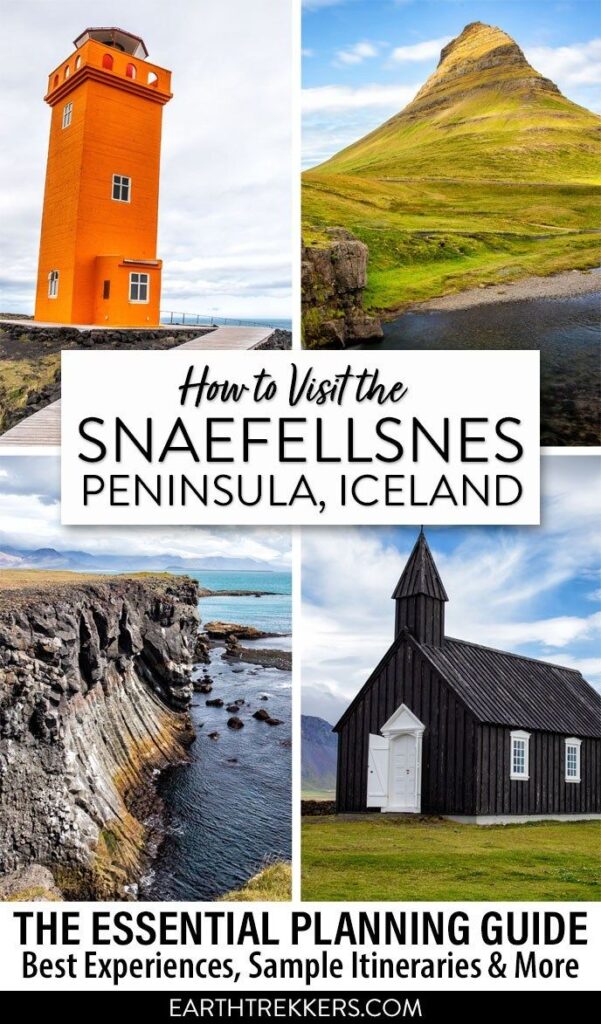
Key sights include the black church of Búðir, the Ytri-Tunga seal colony, the basalt columns at Gerduberg, the Djúpalónssandur black sand beach, and the Kirkjufell mountain. Be prepared for rapid weather changes and bring a full tank of gas. It all depends on your budget and following this guidance.
Honestly, it’s one of those places that, once you’re there, you just get why it’s called “Iceland in Miniature.” You get a taste of so many Icelandic landscapes all packed into one spot.
A Guide To Snaefellsnes Peninsula, Iceland for First-Timers
If you’re a first-timer, the peninsula is almost perfect. It’s like the easier, quieter sibling to the busier Golden Circle or Ring Road routes. You won’t be swamped with crowds all the time (though, sure, during peak summer it gets busier).
The towns are charming but not overwhelmingly touristy, so you still get that authentic Icelandic vibe. Plus, if you’re into hiking, wildlife spotting, or just soaking up stunning views without feeling rushed, this place has it all.
If you are a first timer, then you should keep taking care of yourself and your luggage.
The Snæfellsnes Peninsula, like a giant’s extended limb, reaches out into the sea from the west coast of Iceland, standing tall as if it were a colossal finger, found just north of Reykjavik. Despite its obvious appeal, this expanse of rural landscape is often overlooked by many travelers in their haste to whip around the ring road, or mistaken as an easy day trip from Reykjavik (thanks in large part to day tours offered by companies).
In either case, both these groups will leave Iceland wishing they’d had more time to explore the peninsula. I still feel that way even though I’ve visited Snæfellsnes more than a few times over the years. It just never seems like enough.
- Getting There
1.1 How to Reach Snaefellsnes from Reykjavik?
The Snæfellsnes Peninsula is in western Iceland, extending about 56 miles (90 kilometers) from the mainland into the Atlantic Ocean. It’s located to the north of Faxaflói Bay, the large body of water that laps at Reykjavik and the Western Coast.
On a clear day, you can even see the Snæfellsjökull volcano from the capital. To the north is the giant Breiðafjörður, separating the peninsula from the Westfjords region.
The Snæfellsnes Peninsula features a mix of coastal areas, a spine of mountains running down the middle, and some fascinating volcanic landscapes, essentially a microcosm of Iceland’s varied terrain.
The regional hub for Snæfellsnes is the town of Stykkishólmur, located on the northern coast of the peninsula, a port town approximately 105 miles (170 kilometers) from Reykjavik. The drive takes about 2 hours and provides an embarrassing amount of drop-dead gorgeous scenery along the way.
1.2 Public Transport vs. Renting a Car
Renting a car is by far the most flexible option you get to stop whenever you want, check out little hidden spots, or linger at Djupalonssandur beach without racing against a bus schedule. Trust me, some of those black pebble beaches and lava fields deserve at least an hour or two of unhurried exploration.
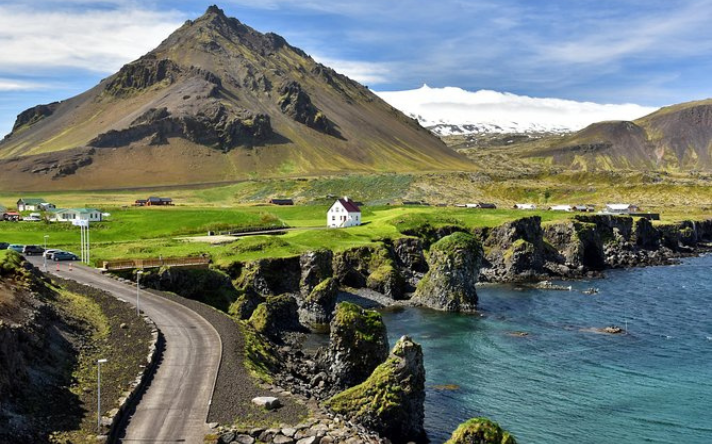
Your best bet for exploring the Snafellsnes Peninsula is to rent your own car or campervan. The drive from Reykjavik to Stykkishólmur takes around 2.5 hours, first heading north from the city on Route 1 before branching off onto Route 54.
1.3 Best Time of Year to Visit the Peninsula
As for timing your visit, summer (June to August) is the obvious favorite for many long daylight hours, relatively mild weather, and all the trails are accessible. But if you ask me, visiting shoulder seasons like late spring or early fall has its own charm.
- Spring (March to May)
Being so close to Reykjavik, I’ve visited the Snafellsnes Peninsula in all seasons. For me, the best time to visit is in Spring, when there is still snow on the mountains for stunning photographs, but the lowland coastal areas are cTemperatures are gradually rising as well, ranging between 30°F to 46°F (-1°C to 8°C), and as always, the hours of daylight are long; by May, there will be about 18 hours of daylight to enjoy.
- Summer (June to August)
Summer on the Snæfellsnes Peninsula is a time of extended daylight and mild temperatures, ranging from 50°F to 59°F (10°C to 15°C). Of course, it’s also the busiest time, but it’s surprisingly easy to find yourself alone even this close to Reykjavik.
lear and easy to explore.
- Autumn (September to November)
Autumn brings cooler temperatures between 36°F to 50°F (2°C and 10°C) and shorter days as the season progresses. The weather can be quite variable, with a mix of rain, wind, and occasional sunny spells.
- Winter (November to March)
I also love going to the Snafellsnes Peninsula in the wintertime, when the landscapes are a frosty wonderland, and there are no crowds. Expect temperatures between 28°F to 37°F (-2°C and 3°C) and limited daylight hours, restricted to a few hours of twilight.
2. Planning Your Trip
2.1 How Many Days Should You Spend?
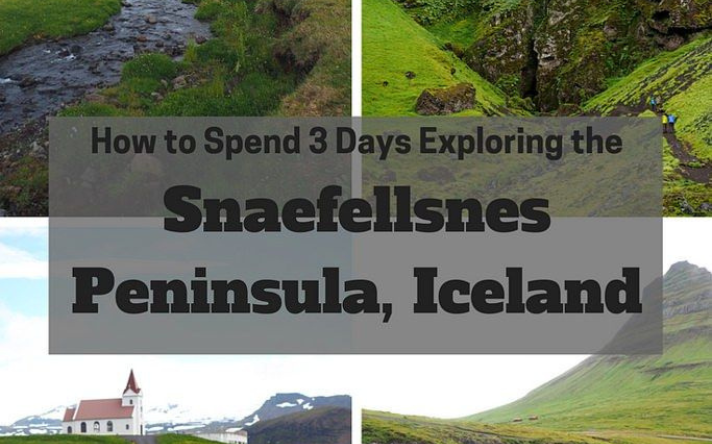
While you’ll see plenty of tour companies offering to “do” the Snaefellsnes peninsula in a day trip, I find that to truly appreciate this region, you need at least two days.
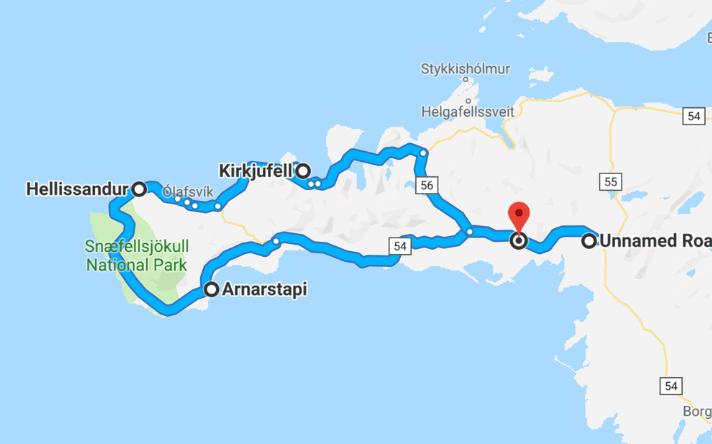
That gives you a full day to explore the southern shore and a small part of the national park, staying overnight in Arnarstapi or a nearby guesthouse.
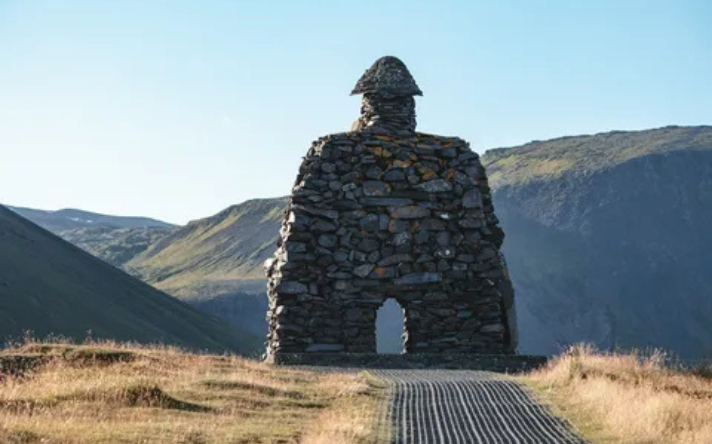
Then on day two, you can finish your explorations of the national park and drive along the northern shore, stopping by the towns along the way and ending in Stykkishólmur, where you can choose to catch the ferry onwards to the Westfjords or head elsewhere.
2.2 Where to Stay: Towns and Accommodation Options
If you’re driving here from Reykjavik, it makes the most sense to base yourself in Arnarstapi, or somewhere nearby, for the night.
If you’re coming from up north (as you would if doing a counterclockwise Ring Road itinerary), you should base yourself just outside of the national park’s borders, in the small village of Hellissandur or nearby.
Expect a mix of guesthouses, B&Bs, and some unique stays like cabins or farm stays if you want a bit of Icelandic countryside charm.
3. Budgeting Tips for First-Time Visitors
Budget-wise, Iceland’s not exactly a bargain basement destination, but you can manage costs if you plan. Booking accommodation early helps, especially in summer.
Consider guesthouses or hostels instead of pricier hotels, and keep an eye out for places that offer kitchen facilities. You’ll save a lot by making some meals yourself.
Also, gas and food can add up, so having a rough budget for daily expenses keeps surprises to a minimum. And hey, sometimes splurging on a nice seafood dinner by the coast feels totally worth it.
4. Orientation to the Region
4.1 Geography and Layout of the Peninsula
Okay, a quick geography rundown so you don’t get lost. The Snaefellsnes Peninsula juts out from western Iceland, kind of like an arm reaching into the Atlantic.
It’s flanked by the northern and southern coasts, each with its own unique beauty. Route 54 is the main artery running through it, linking the towns and the key natural sights.
4.2 Key Towns and Villages to Know
Knowing a few key towns is helpful. Grundarfjörður is your go-to if you want to be near Kirkjufell and the fishing boats. Stykkishólmur, the biggest town, is a bit busier but still very laid-back and pretty.
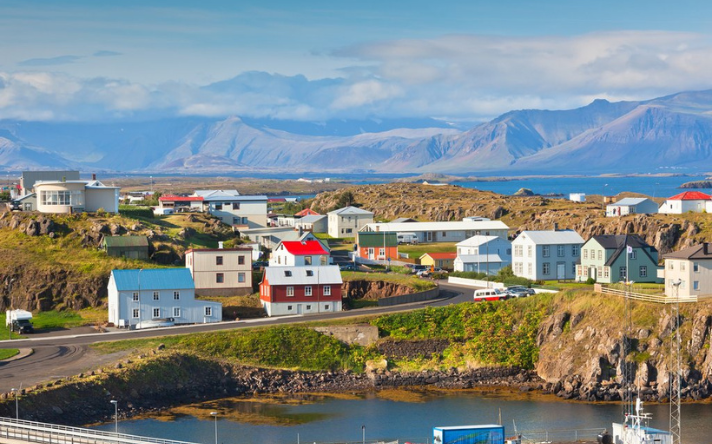
Stykkishólmur
Stykkishólmur is the little capital of the region, a charming fishing town known for its colorful houses, rich history, and stunning views of Breiðafjörður Bay. If, like me, you’re a fan of the film The Secret Life of Walter Mitty starring Ben Stiller, then you’ll also recognize the town as the place where he disembarks the ship before heading to the nearby erupting volcano.
The harbor is a hive of activity, with boat tours departing into the fjord, fishermen returning with their catch, and the large ferry to the Westfjords belching out its horn as it departs for Iceland’s least-visited region.
Grundarfjörður
Many people, including me, will often pass through Grundarfjörður just to get to Kirkjufell, Iceland’s most photographed mountain. But the town enjoys a gorgeous setting itself, the beauty extending far from Kirkjufell to everything else in the surroundings, from the coast to the interior.
Ólafsvík
Ólafsvík is still very much a fishing town; all it takes is about 5 minutes standing around the harbor to realize that. It’s a bustling little place, and a good look into the life of small-town Iceland. It’s also known for its sightings of orca whales off the coast, so you can join whale-watching tours from here.
Arnarstapi
Arnarstapi is a small, picturesque fishing village known for its dramatic coastal cliffs and striking rock formations. Today, it’s turned into a bit of a vacation town for Icelanders and a bit of a touristy attraction for everyone else. The cliffs here are beautiful, with walking paths heading in either direction (one all the way to the village of Hellnar).
Hellissandur
At the very tip of the peninsula on the northern coast is Hellissandur, a working-class fishing town that still relies on the industry today. It’s a great place to visit, mostly thanks to its street art, covering warehouses and houses around the town.
4.3 Local Language, Culture, and Safety Tips
Language-wise, Icelanders speak Icelandic, obviously, but English is widely spoken, especially in tourist areas, so you won’t have to sweat communication too much.
People are super friendly and used to visitors, so don’t hesitate to ask locals for tips; they often share gems you won’t find in guidebooks.
5. Iconic Natural Attractions
5.1 Snaefellsjökull National Park Overview
The mystical glacier and volcano that sit at the tip of the peninsula have an unmistakable energy about them. Jules Verne famously wrote about it in The Journey to the Centre of the Earth, where the characters enter through the volcano.
In 1993, a British man declared that he had been contacted by aliens who had told him that on November 5th of that year, they would meet him and all other believers who showed up at the glacier (the aliens never showed up, but over 500 believers gathered there to wait).
There’s no denying that this glacier has a mystical quality about it and energy, and one of the best ways to get up close is to join a glacier hiking tour onto the ice cap.
5.2 Snaefellsjökull Glacier and Volcano
Speaking of the volcano, Snæfellsjökull Glacier isn’t just a pretty face. It’s actually a dormant volcano covered by a glacier, and it’s believed to have mystical powers in Icelandic folklore.
You can take glacier hikes here, but you’ll want a guide unless you know what you’re doing. The terrain can be tricky, and the weather changes fast.
5.3 Arnarstapi and Hellnar Coastal Cliffs
One of my first experiences outside of Reykjavik when living in Iceland was on the Snafellsnes Peninsula, where I completed this short hike. It was a typically moody day, but the gray skies and steely blue ocean made for dramatic hiking companions along this beautiful stretch of coast.
Here, the lava from past eruptions has spilled into the sea, creating beautiful and craggy cliffs with amazing views the entire way. It only takes an hour to get from Arnarstapi to Hellnar, the next village along, where a nice café waits with hot coffee and cakes.
5.4 Djúpalónssandur Black Sand Beach
On the western shore, a dirt road descends to Djúpalónssandur black sand beach. It’s a beautiful spot to enjoy the scenery, and on the black sand you’ll even find the scattered remains of an old ship that was wrecked on the rocks offshore. Keep your eyes peeled for the remains of an old fishing hut, as this was once a fishing station of sorts.
The short path between the parking area and the sand also takes you through some very interesting lava formations, and you can also pretend you’re a Viking and try your hand at lifting four huge boulders, each one a different size, that the Vikings used to use when testing their strength.
Water Wonders
If there’s one thing Iceland does well (besides lava), it’s water. And on the Snaefellsnes Peninsula, you’ll find waterfalls, gorges, beaches, and… well, water just doing its thing in the most beautiful ways.
6. Kirkjufellsfoss Waterfall and Mount Kirkjufell
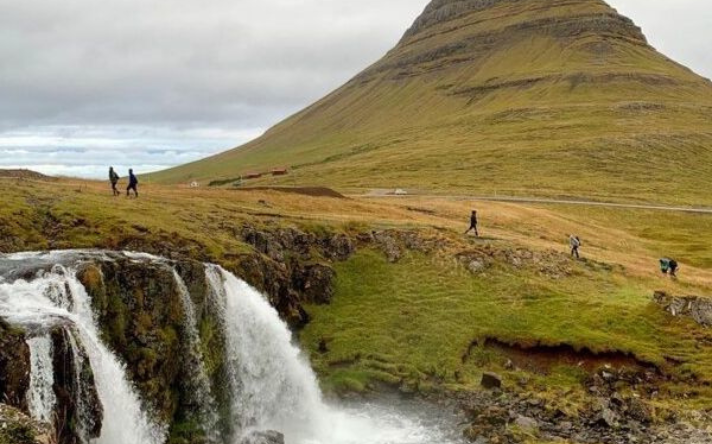
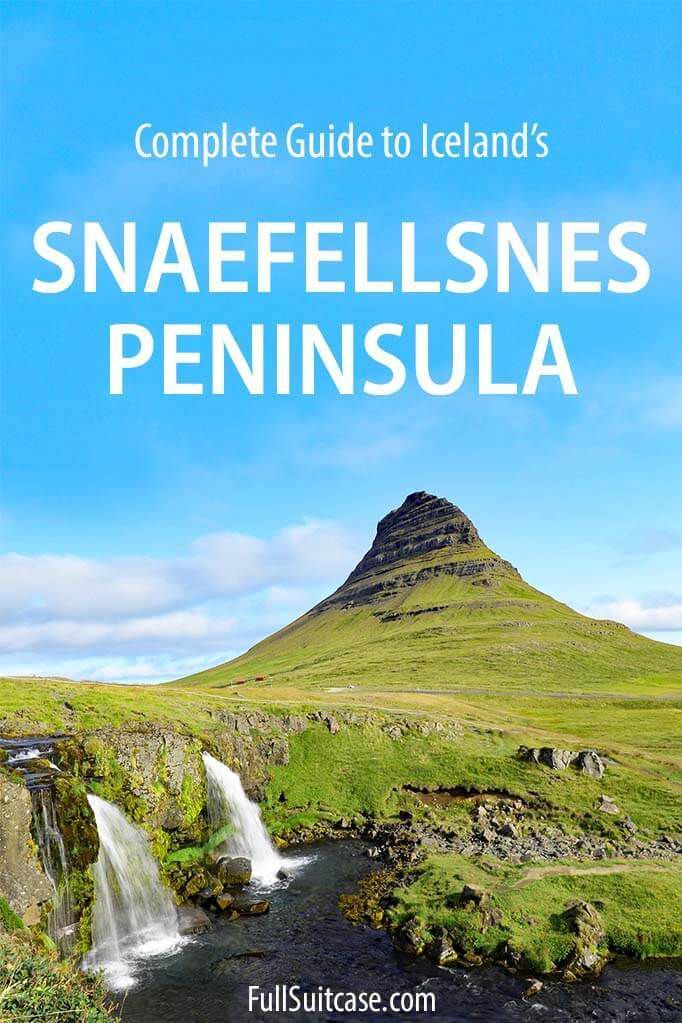
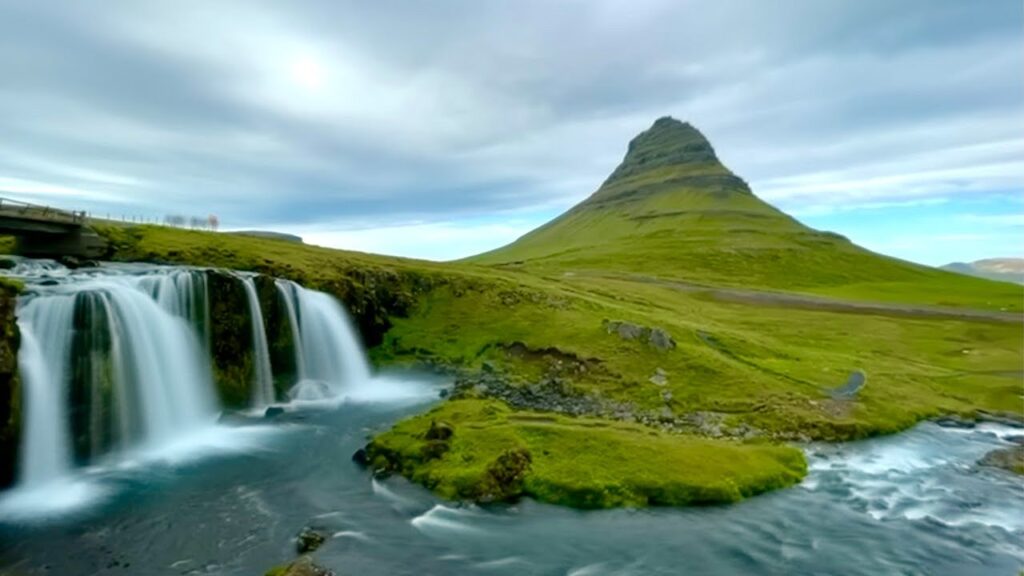
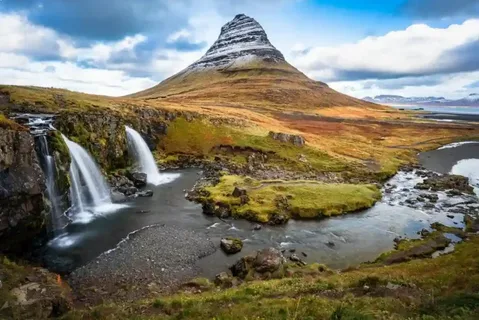
Let’s start with Kirkjufell. Yeah, you’ve probably seen it in photos already, the Arrowhead-shaped mountain that’s basically become a celebrity thanks to Instagram and Game of Thrones.
But honestly, it lives up to the hype. Especially when paired with Kirkjufellsfoss, the little waterfall right in front of it. The mountain isn’t huge, but its symmetry (ironically, yeah) and the way it rises from the land make it unforgettable.
6.1 Rauðfeldsgjá Gorge
Rauofeldsgjia Gorge is a bit more hidden, a kind of gem. But then you step inside, and suddenly you’re in this cool, misty slot canyon with mossy walls and a trickling stream beneath your feet. Wear waterproof shoes.
Trust me. It’s a bit of a squeeze in parts, and slippery too, but if you’re up for a mini-adventure, it’s totally worth it. There’s something oddly magical about being in there. Kind of like stepping into a secret.
6.2 Ytri Tunga Beach and Seal Watching
And then there’s Ytri Tunga Beach, which throws a bit of a curveball because it’s not black sand like most of Iceland’s beaches.
It’s a golden kind of a softer, gentler look. But the real highlight is Seals. Lazy, adorable seals flopped across the rocks like they own the place (and honestly, they kind of do). It’s one of the more reliable spots for seal-watching, especially in summer.
7. Adventure and Outdoor Activities
Alright, let’s say you’re not the type to just look at stuff; you want to do things. Snaefellsnes has that covered, too. Whether you’re up for hiking, riding, caving, or cruising the coast, there’s a little something here for every kind of explorer.
7.1 Hiking Trails for Beginners and Adventurers
Hiking, first of all, is just part of the experience here. There are short, easy coastal paths like the one between Arnarstapi and Hellnar (mentioned earlier), but if you’re feeling more ambitious, there are routes that get you closer to the Snæfellsjökull Glacier or wind through those ghostly lava fields. The 4000-year-old Berserkjahraun lava field is a favorite.
7.2 Caving in Vatnshellir Lava Tube
Then there’s Vatnshellir Cave, which is basically your invitation to head underground. It’s an 8,000-year-old lava tube, and you descend with a guide down a spiral staircase into the darkness sounds a little dramatic, right? But it’s not scary.
Just quiet and weirdly peaceful. The walls are all strange shapes, like they were carved by fire and frozen mid-movement. You might even spot moss-covered walls and tiny rock formations that look like little sculptures. It’s surreal.
7.3 Whale Watching and Sea Tours
If you’re more into the water side of things, consider a whale-watching tour or a sea adventure from towns like Ólafsvík or Stykkishólmur. Depending on the season, you might spot humpbacks, orcas, or even dolphins.
The tours often include other coastal sights, too basalt cliffs, huge lava formations, and sometimes a visit to Flatey Island, a quiet little place with colorful houses and abundant bird life. It’s a whole different kind of peaceful.
7.4 Horseback Riding on Icelandic Horses
And last but not least… horseback riding. Icelandic horses are small, sturdy, and just ridiculously photogenic. Riding one across the barren lava fields or along the coast is kind of a dream.
Even if you’re not a horse person, it’s worth trying just for the experience. They have this special gait called the tölt, smooth and gentle, so it’s a lot more comfortable than you might expect.
8. Culture and History
Okay, so yes, Snaefellsnes is all about wild nature and stunning views, but there’s more to it if you slow down. Beneath all the lava and legends, there’s a deep current of history and folklore here that gives the place even more character.
8.1 The Saga Connection: Bárðar Saga Snæfellsáss
Let’s start with Bárðar Saga Snæfellsáss, a saga rooted in the region. The short version? It’s about Bárður, a half-man, half-troll protector of the peninsula. You’ll find a big stone statue of him in Arnarstapi.
Kind of haunting. Kind of powerful. Icelanders take their legends seriously, and this one still echoes through the land like… he’s still watching over it or something. It adds this mystical layer to everything. Like maybe the lava fields aren’t empty after all.
8.1 Local Legends and Folklore
You’ll also hear locals talk about hidden people elves, mostly, especially around lava rocks or cliffs. Some people laugh it off, others… don’t.
Even road projects have been redirected because of “elf homes.” Whether you believe it or not, it’s part of the cultural fabric here, and it gives the landscape this slightly enchanted vibe. Like nature isn’t just nature… It’s alive in a different way.
8.2 Museums and Historical Sites
As for more grounded history, the peninsula is dotted with museums and historic sites. There’s the Shark Museum in Bjarnarhöfn, yes, that’s a thing where you can learn about the traditional (and honestly kind of gross) process of fermenting Greenland shark. You can even taste it, if you’re brave.
There’s the Maritime Museum in Hellissandur, giving you a glimpse into the fishing life that’s defined these coastal towns for centuries.
It’s not just stories and museums, either; it’s in the little details. Like old wooden churches, colorful fishing boats bobbing in the harbors, or the quiet pride people seem to have about their heritage. You can feel it in the air… or maybe in the silence. Iceland’s like that.
9. Food and Dining
So here’s the deal. You probably didn’t come to the Snaefellsnes Peninsula for a foodie tour… but you might leave surprised. It’s not flashy, there aren’t gourmet restaurants hiding behind every lava rock, but there’s this honest, hearty, deeply Icelandic thing going on with the food here that sort of sneaks up on you.
9.1 What to Eat: Traditional Icelandic Dishes
Start with the basics: fish. Naturally. Most of it comes straight from the surrounding waters, and whether it’s pan-fried cod or buttery langoustine, you can kind of taste the cold sea and clean air in every bite.
A lot of places serve it simply, with potatoes and maybe a dollop of skyr-based sauce or something green. Nothing overcomplicated. Just… good.
9.2 Best Restaurants and Cafés on the Peninsula
In Stykkishólmur (the biggest town in the region), you’ve got a few cozy spots where the soup is hot, the bread is thick, and the vibe is super laid-back.
I had a fish soup there once, creamy, with just a bit of spice, and it sort of felt like a hug in a bowl. It might sound silly, but it stuck with me.
Further west, there’s Viðvík Restaurant near Hellissandur, which is tiny but somehow stylish in that quiet Icelandic way, minimalist, but with soul. And if you’re around Arnarstapi, don’t skip Snjófell Restaurant.
The seafood here is legit, and they’ve got that perfect ocean-meets-mountain view. Not that you need another reason to linger.
9.3 Unique Local Food Experiences
Oh, and let’s talk about Icelandic hot dogs for a second. You’ll find them at gas stations or small diners, and they’re weirdly delicious.
Something about the lamb meat and all those toppings (raw onion, crispy onion, mustard, remoulade… just go with it). It’s not fancy, but it’s a rite of passage.
10. Photography and Scenic Spots
This part’s almost unfair. You could point your camera in pretty much any direction on the Snaefellsnes Peninsula and end up with something postcard-worthy. The light shifts constantly, the weather adds drama, and the land is so raw it barely looks real.
10.1 Best Sunrise and Sunset Locations
Djupalonssandur Beach is another wild spot. The black pebble beach, rusted remains of a shipwreck, and these weirdly sculpted lava rocks, it’s like a scene from a forgotten epic. The beach is dramatic and kind of moody, especially on cloudy days when everything turns that silvery gray.
Then there’s Arnarstapi. The basalt cliffs here are just… mesmerizing. If you’ve never seen basalt columns up close, this is your chance. They rise and twist in this sort of accidental architecture, like nature decided to build something but got distracted halfway. Add in the waves crashing below and a few seabirds circling, and you’ve got the perfect slow-motion moment.
10.2 Drone Photography Tips (Rules and Regulations)
For drone users, Iceland has strict rules, so check the local regulations before flying. Some areas are no-drone zones, especially around wildlife or protected land. But where it’s allowed, the aerial views of lava fields, glacier caps, and winding coastal roads are unreal.
10.3 Hidden Gems Off the Beaten Path
If you’re into hidden gems, there are lots of little unmarked paths that lead to stunning ocean views or forgotten lava formations. Ask locals. Or just wander a bit. The peninsula rewards curiosity.
11. Weather and Packing Tips
11.1 Seasonal Weather Overview
Alright, let’s be honest about the weather here. The Snaefellsnes Peninsula doesn’t really care what season it is; it’s going to do its own thing.
It can be sunny and still, and then ten minutes later, you’re getting smacked in the face with sideways rain. Sometimes the wind howls so loud it feels like it’s coming from inside your jacket. It’s… part of the charm?
Seasonal breakdown? Well:
- Summer (June to August) is when most people visit. You’ll get long daylight hours (sometimes it barely gets dark), and it’s generally mild. Think 10°C to 15°C (50°F to 59°F). It’s also the best for spotting puffins, whales, and, let’s be real, road visibility.
- Spring and fall are quieter and moodier. The weather swings wildly. One minute, the clouds are glowing, the next you’re trying to dry your gloves on your car’s heater vents. Pack layers, and don’t expect predictability.
- Winter? It’s beautiful, snowy lava fields, quiet roads, and northern lights. But conditions can be tough. Roads may close, and daylight is short (sometimes just 4-5 hours). Worth it if you’re okay slowing down and dealing with the cold. Just don’t expect to cover the whole peninsula in one go.
11.2 What to Pack: Essentials for Each Season
Bring a windproof and waterproof jacket. Layers are your friend: thermal base layer, fleece, rain shell. You might never take off your beanie. Also… gloves. Dry socks. Backup dry socks.
11.3 Dressing in Layers Like a Local
Don’t overthink the fashion side of it. You’ll mostly be around rocks, sheep, and dramatic skies. No one cares what your pants look like as long as you stay warm.
Go waterproof. The trails can be muddy or icy, or randomly wet from misty waterfalls. Sneakers with holes won’t cut it. Hiking boots, even for light walks, make a big difference.
And don’t forget a swimsuit. Sounds weird, but there are hot springs and natural pools, and you’ll definitely regret not packing it when you find one unexpectedly
12. Sustainable Travel Tips
Okay, this part matters more than it sounds. Iceland, especially places like the Snaefellsnes Peninsula, is breathtakingly untouched. That’s kind of the whole point of coming here, right? So keeping it that way… matters.
A few things to keep in mind:
A few things to keep in mind:
- Stick to marked paths. This isn’t just about staying safe. The moss-covered lava fields are delicate and can take decades to recover if trampled. Even one wrong step off-trail can leave a mark that doesn’t heal for years.
- Pack in, pack out. Always. Even if there’s no bin around, take your trash with you. That includes food scraps. Yes, even biodegradable stuff messes with local wildlife.
- Use refillable water bottles. The water here is insanely clean; you can fill up just about anywhere, including random taps and streets. No need to buy plastic bottles at every gas station.
- Respect the towns. The peninsula isn’t just a scenic loop; people actually live here. Drive slowly through villages. Don’t walk through someone’s backyard for a shortcut to a view. Smile. Say hello.
- Support local. Eat at the small café. Book the family-run tour. Buy a hand-knit wool hat from someone who actually knitted it. It helps keep these communities thriving.
- And if you’re lucky enough to see wildlife seals, birds, maybe even a whale offshore, admire them from a distance. Getting too close stresses them out. The same goes for drone use. Be respectful.
Travel here feels different. It’s slower. Quieter. You start to notice more when you’re not chasing the next big thing… and part of that means treading lightly, too.
13. Itineraries for First-Time Visitors
Saenefellsnes Peninsula is the most beautiful place in the world to make your trip more enjoyable. Real talk, people try to cram way too much into a single day here. The peninsula looks small on a map, but the roads are winding, the scenery demands stops, and honestly… You don’t want to rush it. That said, here are some solid itinerary options depending on how much time you’ve got.
1-Day Road Trip Itinerary (Ambitious but doable)
If you’re just doing a day trip from Reykjavik, you’ll want an early start. Like, really early.
- Drive via Route 1, then Route 54. Hit Ytri Tunga Beach first (morning light is perfect for seals).
- Cruise past the Berserkjahraun lava field, take a short hike or photo stop.
- Stop at Stykkishólmur for lunch and a quick walk around the harbor.
- Continue to Kirkjufell and Kirkjufellsfoss. Take your time. It’s popular for a reason.
- Loop down to Djupalonssandur Beach for the lava rocks and black sand.
- If you’ve still got energy (and light), do a quick visit to Arnarstapi cliffs before heading back.
It’s a full day, no doubt. But manageable with good weather and stamina.
2-Day Explorer’s Route
This is the sweet spot for most travelers.
Day 1:

- Start with Berserkjahraun, then Stykkishólmur.
- Visit the Shark Museum (if you’re into weird Icelandic traditions).
- Afternoon around Kirkjufell and Ólafsvík.
- Overnight near Hellissandur or Arnarstapi.
Day 2:
- Explore Snæfellsjökull National Park.
- Hike near Arnarstapi and Hellnar.
- Visit Vatnshellir Cave (book in advance).
- Sunset at Djupalonssandur or the nearby cliffs.
3-Day Immersive Experience
Now you’re talking. This gives you time to really breathe it all in.
- Include everything from the 2-day route.
- Add slow mornings by the sea, hot coffee in a quiet café, random side roads to nowhere.
- Take a boat to Flatey Island or join a whale watching tour out of Ólafsvík.
- Maybe even go glacier hiking or horseback riding.
- Sleep in different towns to get a feel for the whole peninsula.
Three days here feels like a deep exhale.
14. Travel Logistics
Okay, here’s the not-so-glamorous part of travel that kind of makes or breaks the trip. Let’s get into the real-life stuff you’ll be glad you figured out before you’re halfway around the peninsula with no signal and a flashing fuel light.
14.1 Gas Stations and Driving Tips
There are gas stations in most towns, but not a ton of them. So… don’t push your luck. Stykkishólmur, Grundarfjörður, Ólafsvík, and Hellissandur usually have fuel, but there can be long stretches in between.
Some stations are unmanned and require a card with a PIN. Not all international cards work. Bring a backup or ask your bank about this before you go.
Mostly paved, sometimes narrow, often scenic. Route 54 is your main artery here, and it’s fine for standard vehicles in good weather. Some smaller roads (like ones leading deeper into Snæfellsjökull National Park) might be gravel or a little rough, but they’re usually manageable. F-roads (mountain roads) are a different story; you’ll need a 4×4, and they’re only open in summer.
14.2 Mobile Connectivity and Internet Access
Most of the peninsula has decent mobile coverage, especially around towns. Still, don’t rely on a constant signal if you’re using online maps. Download offline maps on Google Maps or Maps.me before setting out.
Wi-Fi is common in guesthouses, cafés, and even some gas stations. It’s not blazing fast, but good enough to upload your Kirkjufell photos and check tomorrow’s weather forecast (which will probably say: “unpredictable”).
14.3 Currency, ATMs, and Card Usage
Iceland uses Icelandic Króna (ISK). Cash isn’t totally necessary — you can pay for almost everything with a card, even bathrooms in the middle of nowhere. That said, having a little cash might be useful for smaller towns or local markets.
ATMs are available in the larger towns, but again… don’t count on finding one every few miles. Plan.
15. What Not to Miss
You’ll hear different favorites from everyone, but here are some moments and places that tend to stick with first-timers. Some big, some small. Some just… unexpectedly special.
- Kirkjufell and Kirkjufellsfoss. Yes, it’s popular. Yes, you’ve seen it on Instagram. Still somehow hits different when you’re actually standing there.
- Djupalonssandur Beach: Black sand, ghostly shipwreck remnants, and those strange, rounded lava rocks that feel like they’ve been there forever. Kind of eerie. Kind of beautiful.
- Arnarstapi’s coastal cliffs. Even if you’re not big into geology, those basalt columns and sea arches feel otherworldly.
- Vatnshellir Cave Walking down into an 8,000-year-old lava tube with only a helmet light is strangely humbling. Feels like being inside the earth’s memory or something.
- Berserkjahraun Lava Field. This spot doesn’t get much hype, but the textures, colors, and stillness here… It’s wild. Like standing on another planet, but with moss.
- Sunset anywhere along the southern coast. Pick a pull-off spot, wrap up in a blanket, and just watch. The way the light hits the sea and lava cliffs? Unreal.
16. Common First-Timer Mistakes
No judgment here. Everyone fumbles a bit their first time you learn as they go. But if we can help you avoid a few of the classic errors, that’s a win.
- Underestimating travel time
What looks like a 3-hour loop can turn into 6 with stops, wind, and photo detours. The roads aren’t built for speed, and you won’t want to rush anyway. - Ignoring the weather forecast
Even if it’s sunny in Reykjavik, the peninsula might be socked in with fog and gusts. Always check the Vedur app or local forecasts, then plan backup stops just in case. - Not bringing snacks or water
Food options are kind of spread out. If you skip lunch thinking you’ll just “grab something later,” you might end up hangry in the middle of a lava field. - Relying only on public transport
It’s possible, but not ideal. Buses are limited and don’t hit all the scenic stops. Renting a car (even for a day or two) gives you way more freedom. - Skipping local insights
17. Suggested Gear and Apps
Here’s where packing smart can really make your trip smoother and more comfortable.
Navigation and Weather Apps
- Google Maps (download the offline version of the area)
- Maps.me (super handy for hiking trails)
- Vedur is (Iceland’s official weather app, reliable)
- SafeTravel is (road and safety alerts)
Final Thoughts
The Snaefellsnes Peninsula is worth it for first-time visitors. Honestly… yes. Maybe even more than the more famous routes. It’s compact, but packed with every kind of landscape Iceland is known for. Volcanic craters. Black beaches. Basalt cliffs. Fishing villages that feel like they’ve been painted into place. It’s dramatic but not crowded. Quiet but full of stories.
Give it time. Give it weather wiggle room. Let it surprise you.
And when you get back, you’ll probably do that thing where you try to explain how beautiful it was… but the words don’t quite work. That’s okay. It’s a place that lives better in memory than in description.
Frequently Asked Questions (FAQs)
1. Is Snaefellsnes worth visiting if I’ve already seen the Golden Circle?
Absolutely. If the Golden Circle was your appetizer, Snaefellsnes is the main course with better views and fewer buses. It’s wilder, more varied, and has that untouched feel in many places. You’ll see beaches, lava fields, dramatic cliffs, and cute coastal villages all in one relatively compact area.
2. Can I visit Snaefellsnes in winter?
Yep, but it depends on the weather. Winter adds a beautiful, moody vibe — snow-covered mountains, icy beaches, fewer tourists. But storms, road closures, and short daylight hours can be a challenge. If you’re not used to winter driving, consider going with a guided tour or waiting until spring.
3. Do I need a 4×4 vehicle to explore the peninsula?
For most of the year, no. A regular 2WD car will get you around all the main sites via paved roads. But if you’re visiting in winter, or plan to explore gravel routes deep into the national park, a 4×4 gives you more confidence and flexibility. Just check the road.is before heading out.
4. Are the roads easy to drive?
They’re manageable, but don’t expect American-style highways. Most roads are narrow, two-lane, and wind through rural landscapes. Slow down, watch out for sheep (seriously), and pull over safely for photos. Also, the weather can flip fast; fog, wind, or rain can appear out of nowhere.
5. What wildlife can I expect to see?
Seals at Ytri Tunga, seabirds along the cliffs, maybe some Arctic foxes if you’re lucky. In summer, puffins can be spotted in certain areas. Whales and orcas are also seen off the coast, especially around Olafsvík on sea tours. And of course, Icelandic horses are basically everywhere.